When a Mini-Split May Be Better Than Extending Ductwork
Many homeowners assume expanding existing ductwork is the only solution when adding cooling to a new space, but that is not always the most practical option. In some homes, extending ductwork can become expensive, invasive, or difficult due to structural limitations.
Ductless mini-split systems are often a more flexible alternative for spaces where traditional duct installation may not make sense. This can include older homes, converted attics, enclosed patios, garages, workshops, or recently finished basements.
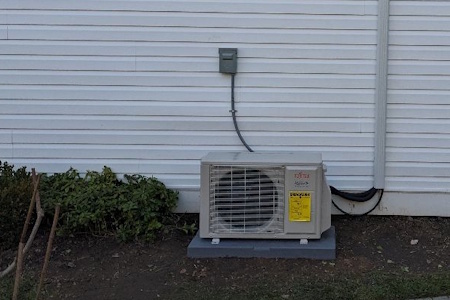
Because mini-split systems require only a small connection between the indoor and outdoor units, installation is typically less disruptive than major ductwork modifications. Homeowners can often improve comfort in targeted areas without extensive remodeling or construction work.
What Homeowners Should Know About Mini-Split Maintenance
Like all heating and cooling systems, mini-splits perform best when they receive routine care and maintenance. Dirty filters, blocked airflow, and neglected components can reduce efficiency and place additional strain on the system over time.
Homeowners can help protect mini-split performance by keeping indoor units clean and free of dust buildup while scheduling professional maintenance inspections regularly. During maintenance visits, technicians can inspect refrigerant levels, clean coils, check electrical components, and verify that the system is operating properly.
Preventative maintenance not only helps improve long-term efficiency, but it may also reduce the likelihood of unexpected breakdowns during periods of heavy heating or cooling demand.